
Guides
What a coworking space cancellation policy sample should include
A coworking space cancellation policy sample must cover notice periods, refunds, deposits, and auto-renewal consent. California adds stricter duties.
What to take away
- US state laws on auto-renewal and refunds differ, and California imposes the strictest online cancellation requirements.
- A workable coworking space cancellation policy sample includes notice period, refund scope, deposit return conditions, and auto-renewal consent.
- The California Attorney General can pursue operators that ignore the state's automatic renewal disclosure rules.
- No federal statute sets a single coworking deposit return deadline, so state law and the membership agreement control.
- A sample clause should define timing, obligations, and consequences without quoting a price.
The rest of this page names the regulators, the written elements, and the consequences an operator should know before posting a sample.
The state law baseline
A coworking operator drafting a cancellation policy should first identify which state laws apply to the member relationship. California's automatic renewal law, Business and Professions Code sections 17600 to 17606, requires clear disclosure of renewal terms and an easy cancellation method for covered consumer contracts. The California Attorney General enforces that law, and a violation can support an enforcement action. Review the membership agreement terms before choosing a notice period, because the cancellation clause must match those terms.
What a compliant policy carries
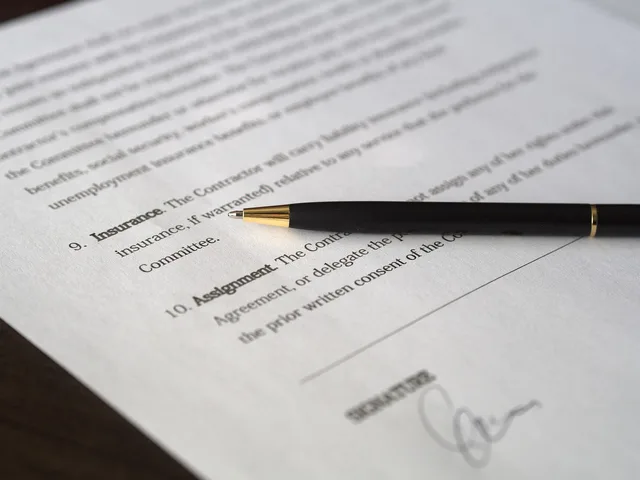
A compliant written cancellation clause carries these elements: the number of days' notice, the method to submit notice, the date cancellation takes effect, and any prepaid amount that will be credited or refunded. It also states whether the auto-renewal consent was separate from other terms. For month to month plans, a coworking space notice period should be written in days and tied to a billing date.
The sample should include:
- The notice period in days, tied to a billing or renewal date.
- The method of noticeemail, member portal, or written form.
- The effective date of cancellation.
- The treatment of prepaid amountscredit, refund, or forfeiture.
- The deposit return deadline and what the deposit may cover.
Compliant Cancellation Clause Elements
- Written notice period in calendar days
- Cancellation methodemail, portal, or form
- Effective date of cancellation
- Prepaid fees refunded, credited, or forfeited
- Security or damage deposit return conditions
Notice periods by membership type
Different membership tiers need different notice periods because the operator's commitment and the member's access differ. The table below shows common written notice ranges, not statutory requirements.
Notice Periods by Membership Type
Membership type
- Month to month hot desk
- 15 to 30 days
- Dedicated desk
- 30 days
- Private office, annual
- 30 to 60 days
- Day pass or punch card
- No ongoing notice
Common written notice
- Month to month hot desk
- Email or portal, end of paid period
- Dedicated desk
- Prepaid days credited, not refunded
- Private office, annual
- Buyout or transfer may apply
- Day pass or punch card
- Unused days expire by stated date
Policy should state
- Month to month hot desk
- Dedicated desk
- Private office, annual
- Day pass or punch card
| Membership type | Common written notice | What the policy should state |
|---|---|---|
| Month to month hot desk | 15 to 30 days before the next billing date | Cancellation by email or member portal, effective at the end of the current paid period |
| Dedicated desk | 30 days before the next billing date | Prepaid days after notice are credited, not refunded, if allowed by state law |
| Private office, annual | 30 to 60 days before renewal | Early termination may require a written buyout or transfer |
| Day pass or punch card | No ongoing notice; unused days expire by stated date | Expiration and refund policy must be visible at purchase |
These ranges are illustrative; an operator should check state rules before posting them as final terms.
Refund and deposit terms to state
A coworking space refund policy should say whether unused days after cancellation are returned as cash, held as credit, or forfeited. A coworking space deposit rules clause should state what the deposit covers, such as damage or unpaid fees, and the deadline for return after the space is no longer used.
Refund, Credit, or Forfeit?
Are unused days after cancellation refundable?
Return as cash per state law
Hold as credit or forfeit per policy
Security deposit law varies by state, and the Legal Information Institute notes that return deadlines and interest rules are set by state statute, not by a single federal rule.
California Civil Code section 1950.5 gives one concrete deadline. A residential landlord in California must return a deposit within 21 days, or send a written estimate within that window and the final accounting 14 days later when deductions exceed $125. Other states use shorter or longer windows, and typical residential deadlines fall between 14 and 45 days.
A coworking membership is usually a license, not a residential tenancy. The 21-day figure shows how precise a state deadline can be. The agreement and the state law that applies to the license still set the return date.
The policy should say whether notice must be submitted by email, through a member portal, or on a paper form. When a member asks for a refund on unused days, the price recorded in the original coworking space quote controls how the unused time is credited or refunded.
Example cancellation clause for a monthly hot desk
A sample clause does not need to be long. It needs to be specific enough to survive a dispute.
Key Figures in the Sample Clause
- 15days notice before next billing date
- 21days to return security deposit
- Last dayof current paid period, cancellation effective
A member on a monthly hot desk plan may cancel by email to [email address] at least 15 days before the next billing date. Cancellation takes effect on the last day of the current paid period. Any unused prepaid days after that date are not refunded, except where state law requires otherwise. A security deposit, if any, will be returned within 21 days after the final use of the space, minus documented damage or unpaid fees.
This sample names a method, a notice period, an effective date, and a deposit return window. California's automatic renewal law focuses on the same elements.
A coworking deposit usually covers documented damage, unpaid fees, or unreturned keys, a purpose described in general terms by security deposit. Refunds affect how US tax law treats coworking membership revenue, especially when prepaid fees are recognized over time.
Example cancellation clause for a dedicated desk or annual private office
A member on a dedicated desk plan may cancel by email to [email address] at least 30 days before the next billing date, effective at the end of the current paid period. Prepaid days after that date are credited to the member's account, not refunded, except where state law requires otherwise. A member on an annual private office agreement may cancel at least 60 days before the renewal date. Early termination of that agreement may require a written buyout or a transfer approved by the operator.
This clause matches the 30-day and 60-day rows in the notice table. It names a method, a notice period, an effective date, and the treatment of prepaid days.
What happens if an operator skips it
If an operator ignores the automatic renewal disclosure rules, the California Attorney General can bring an enforcement action, and a court may void the renewal term. Even outside California, a member can argue that an unclear deposit or refund term is unconscionable or unenforceable.
Deposit disputes also touch state insurance rules when an operator documents a damage claim.
Consequences of Skipping Disclosure
- Operator omits automatic renewal disclosure
- California AG can bring enforcement action
- Court may void the renewal term
- Member may argue terms unconscionable